The worst lawn weeds in Southeast Michigan are the ones that keep coming back after one quick spray or a weekend of pulling. For Chelsea-area homeowners, creeping Charlie, wild violet, crabgrass, yellow nutsedge, clover, and ground ivy are some of the biggest problems because they thrive in Michigan’s wet springs, humid summers, compacted soil, and thin turf. The best way to get rid of them long term is to treat weeds at the right time, strengthen the lawn, and use a professional weed control plan that prevents new growth before it starts.
Why Weeds Are So Hard to Control in Southeast Michigan Lawns
Weeds spread fast in Southeast Michigan because the weather gives them several chances to take over. Cool, wet springs help broadleaf weeds grow, while hot summer stress opens space for crabgrass and nutsedge. Once the lawn becomes thin, compacted, or underfed, weeds can move in and spread quickly.
Homeowners in Chelsea, Dexter, Brooklyn, and nearby parts of Washtenaw County often deal with weeds because of:
- Compacted soil
- Thin grass coverage
- Low nitrogen levels
- Poor drainage
- Shady lawn areas
- Missed pre-emergent timing
- Weak root growth after winter
A healthy lawn is always the first line of defense. Weed control works better when the grass is thick enough to compete.
1. Creeping Charlie Is One of Michigan’s Most Stubborn Lawn Weeds
Creeping Charlie is a low-growing weed that spreads through vines and roots along the soil. It loves shady, damp areas, which makes it a common problem in Southeast Michigan lawns. Once it settles in, it can form thick mats that crowd out healthy grass.
This weed is hard to remove because every small piece can continue spreading. Pulling it by hand often leaves roots behind, and basic weed sprays may not be strong enough. The best control plan usually includes:
- Targeted broadleaf weed treatment
- Repeated applications when needed
- Improved sunlight and airflow
- Better drainage in damp areas
- Overseeding thin spots after control
2. Wild Violet Spreads Fast and Resists Basic Weed Sprays
Wild violet may look harmless at first, but it can become a major lawn problem. It has waxy leaves that make many sprays slide off instead of absorbing into the plant. It also spreads by underground roots, which makes it harder to fully remove.
This weed often shows up in shady or moist parts of the lawn. Once it becomes established, it usually takes more than one treatment to bring it under control. The best way to manage wild violet is to:
- Apply selective broadleaf treatments at the right time
- Treat in fall when the plant moves energy into the roots
- Avoid cutting the lawn too short
- Improve turf density with fertilization
- Be patient with repeated treatment cycles
3. Crabgrass Takes Over When Pre-Emergent Timing Is Missed
Crabgrass is one of the most common summer weeds in Michigan lawns. It grows well in thin, hot, compacted areas and spreads quickly once soil temperatures warm up. By the time most homeowners see it, the best prevention window has already passed.
Pre-emergent weed control Michigan timing is narrow. In many Southeast Michigan lawns, the target window starts when soil temperatures approach 50 to 55 degrees, often around mid-April depending on the weather. Crabgrass control works best when you:
- Apply pre-emergent before germination
- Avoid waiting until crabgrass is visible
- Spot-treat young plants with post-emergent control
- Keep turf higher to shade the soil
- Repair bare areas before summer heat
4. Yellow Nutsedge Loves Wet and Poorly Drained Lawns
Yellow nutsedge looks like grass, but it is not normal turf. It grows faster than the surrounding lawn and often has a lighter green color. It usually appears in wet spots, drainage trouble areas, and lawns with compacted soil.
Pulling nutsedge by hand can make the issue worse. It spreads through underground tubers, often called nutlets, and broken pieces can produce new growth. The best way to control nutsedge is to:
- Use a selective sedge control treatment
- Avoid hand-pulling large patches
- Improve drainage where possible
- Reduce standing water
- Watch for regrowth after treatment
5. Clover Often Points to Low Nitrogen and Thin Grass
Clover is common in Michigan lawns because it can grow in areas where turf is weak or underfed. It often shows up when nitrogen levels are low, and it can spread across open spaces quickly. Some homeowners tolerate small amounts, but large patches can make the lawn look uneven.
Clover is easier to control when the grass is also being fed properly. Spraying without improving lawn health often leads to the same problem coming back. A strong clover control plan includes:
- Broadleaf weed treatment
- Proper fertilization
- Higher mowing height
- Overseeding thin areas
- Consistent lawn care through the growing season
6. Ground Ivy Can Spread Across Shady Lawns Before You Notice
Ground ivy is often grouped with creeping Charlie because both spread low across the lawn and thrive in shade and moisture. It can creep into turf from nearby edges, beds, fences, and damp lawn sections. Once it spreads, it can be hard to separate from healthy grass.
The problem with ground ivy is that it rarely stays in one small spot. If the lawn is thin and shaded, it can keep moving. To manage ground ivy, homeowners should focus on:
- Targeted weed control treatments
- Better lawn density
- Improved drainage
- Reduced shade where possible
- Regular monitoring after treatment
Why DIY Weed Control Usually Falls Short
DIY weed control often fails because homeowners treat weeds after they have already spread. Many products also work only on certain weeds, so one spray may help with clover but do very little for nutsedge, wild violet, or creeping Charlie. Timing, product choice, and lawn condition all matter.
The biggest DIY mistakes include:
- Applying pre-emergent too late
- Pulling nutsedge by hand
- Spraying during poor weather
- Using the wrong product for the weed
- Cutting grass too short
- Ignoring soil and lawn health
- Treating once and expecting permanent results
The Best Long-Term Plan for Weed Control in Michigan
Permanent weed control does not mean weeds never come back. It means your lawn has a steady plan that keeps weeds from spreading. In Michigan, that plan should start early and continue through the growing season. A good weed control program should include:
- Early pre-emergent for crabgrass prevention
- Broadleaf weed control in spring and summer
- Spot treatments for stubborn weeds
- Fertilization to thicken the lawn
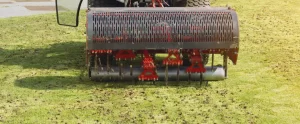
- Aeration for compacted soil
- Overseeding for thin areas
- Fall treatments for deep-rooted weeds.
Local Weed Control Built Around How Michigan Lawns Actually Grow
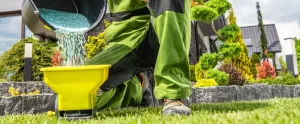
At Green Pastures, we help homeowners and commercial properties in Chelsea, MI, and nearby areas keep healthier lawns with professional lawn care services. We offer fertilization, weed control, core aeration, and grass seeding, so we can treat visible weeds while helping the turf grow thicker.
We know Michigan lawns need the right treatment at the right time. Our fertilization and weed control program runs from April through October, helping us prevent seasonal weed pressure instead of only reacting after weeds spread.
Schedule Weed Control in Chelsea, MI
If weeds are spreading through your lawn, now is the time to act with professional weed control services in Chelsea, MI. Green Pastures offers weed control, fertilization, aeration, and seeding to help your lawn grow thicker and healthier. Contact us today to schedule your lawn care service.