IGetting your lawn and landscape ready for winter means more than just putting tools away. It’s about giving your yard the care it needs to survive the cold months and come back stronger in the spring. This includes proper fertilization, a thorough cleanup, and protecting plants and trees before the first frost hits.
Final Cleanup Before Winter Sets In
A thorough cleanup is the first step toward a healthy lawn next season. Leaving debris on your lawn through winter can cause mold, smother your grass, and attract pests. Start by walking through your property and identifying areas that need attention.
Here’s what to focus on:
Rake and remove leaves to prevent smothering the grass and causing disease.
Clear fallen branches and twigs from lawns, walkways, and planting beds.
Remove spent annuals and dying plants that may harbor disease or insects.
Empty and clean planters or pots that won’t survive the freeze.
Dispose of all green waste or compost it if you’re set up to do so properly.
Taking the time to clear out debris now ensures your lawn won’t suffer from preventable issues later.
The Final Mow and Height Adjustment
Your last mow of the season plays a big role in protecting your lawn during winter. Cutting your grass too short can damage the crown and invite disease, but leaving it too long can cause matting under snow.
Here’s how to get it right:
Lower your mower height slightly from the usual summer setting; aim for about 2 to 2.5 inches.
Avoid scalping the lawn which can leave roots exposed.
Check that mower blades are sharp so cuts are clean, not torn.
Bag clippings during the final mow to prevent buildup.
A well-timed final mow helps reduce mold and other moisture-related issues through the cold months.
Late-Season Fertilization for Strong Roots
Late fall is the ideal time to feed your lawn one last time. This “winterizer” application helps strengthen roots, store energy, and ensures your lawn greens up faster in spring.
What to do:
Choose a fertilizer high in nitrogen or potassium, like a 10-0-20 NPK blend — to support root development.
Depending on your grass type and region, the timing and ratio may vary.
Apply when grass is still green and actively growing, typically before the first hard freeze.
Water thoroughly after application to help nutrients soak in.
Avoid applying too late when the ground is already frozen.
This final feeding is one of the most impactful things you can do for next season’s lawn health.
Aeration and Overseeding (Where Needed)
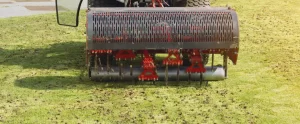
If your lawn saw heavy foot traffic this year or has patchy areas, now’s the time to address it. Aeration and overseeding can break up compacted soil and encourage new grass growth before winter sets in.
Here’s how:
Core aerate compacted areas using a manual or powered aerator.
Spread seed on bare or thin spots, ideally just after aeration.
Use a cool-season seed blend suited for your region.
Keep soil moist for at least 10–14 days to help germination.
Even if it’s too late for overseeding, aeration still benefits your soil structure and improves nutrient absorption.
Landscape-Area Winter Prep
Beyond the lawn, your landscape needs care too. Plants, shrubs, and young trees benefit from extra attention before the freeze.
Tasks to cover:
Pull out dead annuals to prevent overwintering pests and mold.
Apply 2–3 inches of mulch around perennials, trees, and shrubs to insulate roots.
Wrap young or delicate trees with burlap or protective wrap to shield against cold and animals.
Tie or cover fragile shrubs, especially evergreens, to protect from snow and wind.
Water deeply until the ground freezes — especially during dry fall periods.
These steps protect your landscape’s structure and save you from replacement costs in the spring.
Tool & Equipment Care Plus Watering Until Freeze
Don’t forget the gear that got you through the growing season. Taking care of your tools now will extend their life and keep them ready to go when spring returns.
Maintenance checklist:
Clean and oil all tools including pruners, shovels, and rakes.
Sharpen mower blades before storing.
Drain and store hoses, turn off irrigation systems, and blow out sprinklers if needed.
Empty gas from power tools or add stabilizer to avoid damage.
Continue watering lawns and plants every 10–14 days until the ground freezes.
Well-maintained tools and consistent late-fall watering can make a big difference when you restart everything in spring.
Why Choose Green Pastures for Your Winter Lawn & Landscape Prep
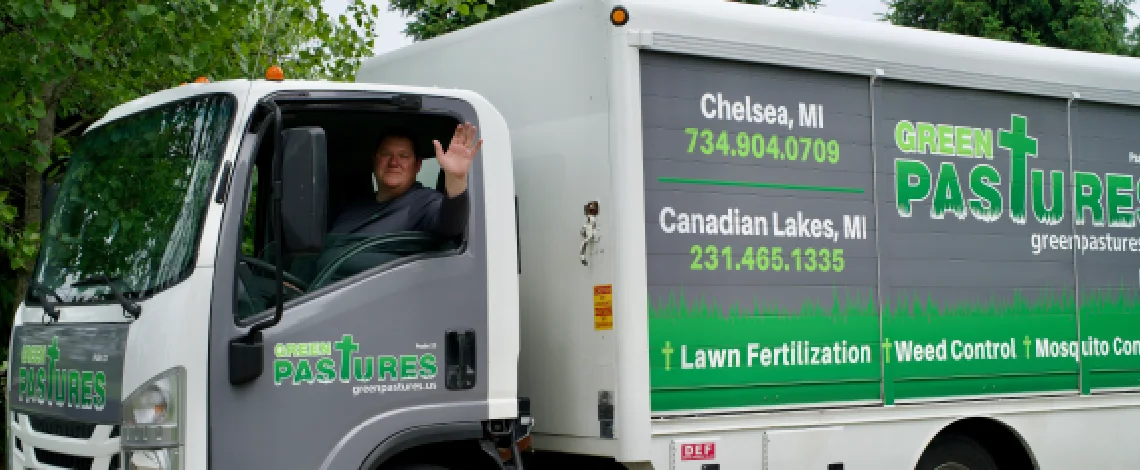
At Green Pastures, we know that a beautiful lawn starts with solid seasonal care. Winter prep is no exception. Our team specializes in fall cleanup, professional fertilization, aeration, and landscape protection tailored to your yard and local conditions. We don’t believe in one-size-fits-all plans.
Why customers trust Green Pastures:
Custom winter lawn prep plans
Reliable, local crews with seasonal expertise
Commercial and residential service options
Straightforward scheduling and transparent pricing
Whether you’re prepping for a healthier spring lawn or protecting valuable plants, our experienced crews are ready to help. We serve residential and commercial properties around Michigan, with reliable, knowledgeable care that shows all year round.
Ready for a Stronger Spring? Let’s Get Started
Winter prep doesn’t have to be a hassle. A few key steps now, like cleanup, fertilization, and plant protection, can set your property up for success next season. If you want expert help, Green Pastures is here to take care of everything from soil to shrubs. Contact us and schedule a fall service today. Let’s make sure your lawn comes back better than ever next spring.
We take pride in being responsive, reliable, and easy to talk to. Whether you have a question or you’re ready to schedule service, we’re here to listen and help you move forward with confidence.